In the modern food industry, packaging has become an important part of product quality, storage, transportation and presentation. From food manufacturers and retailers to restaurants, catering businesses and small food entrepreneurs, everyone needs packaging that is practical, reliable and suitable for the products they handle.
Food packaging is not only about covering or enclosing products. It is about selecting materials that support hygiene, protect food during handling, help maintain quality and make storage more convenient. Vacuum packaging and cling film are two widely used flexible packaging solutions that serve different needs across the food industry.
Whether you are packaging dry fruits, spices, pulses, dairy products, vegetables or prepared food, understanding the right packaging material can help you make better decisions.
Food Grade Vacuum Pouch Supplier: Supporting Modern Food Packaging Needs
Vacuum packaging has become an increasingly useful packaging method for various food applications. By removing much of the air from a pouch before sealing, vacuum packaging can help reduce exposure to oxygen, which may slow certain oxidation processes and help maintain product quality.
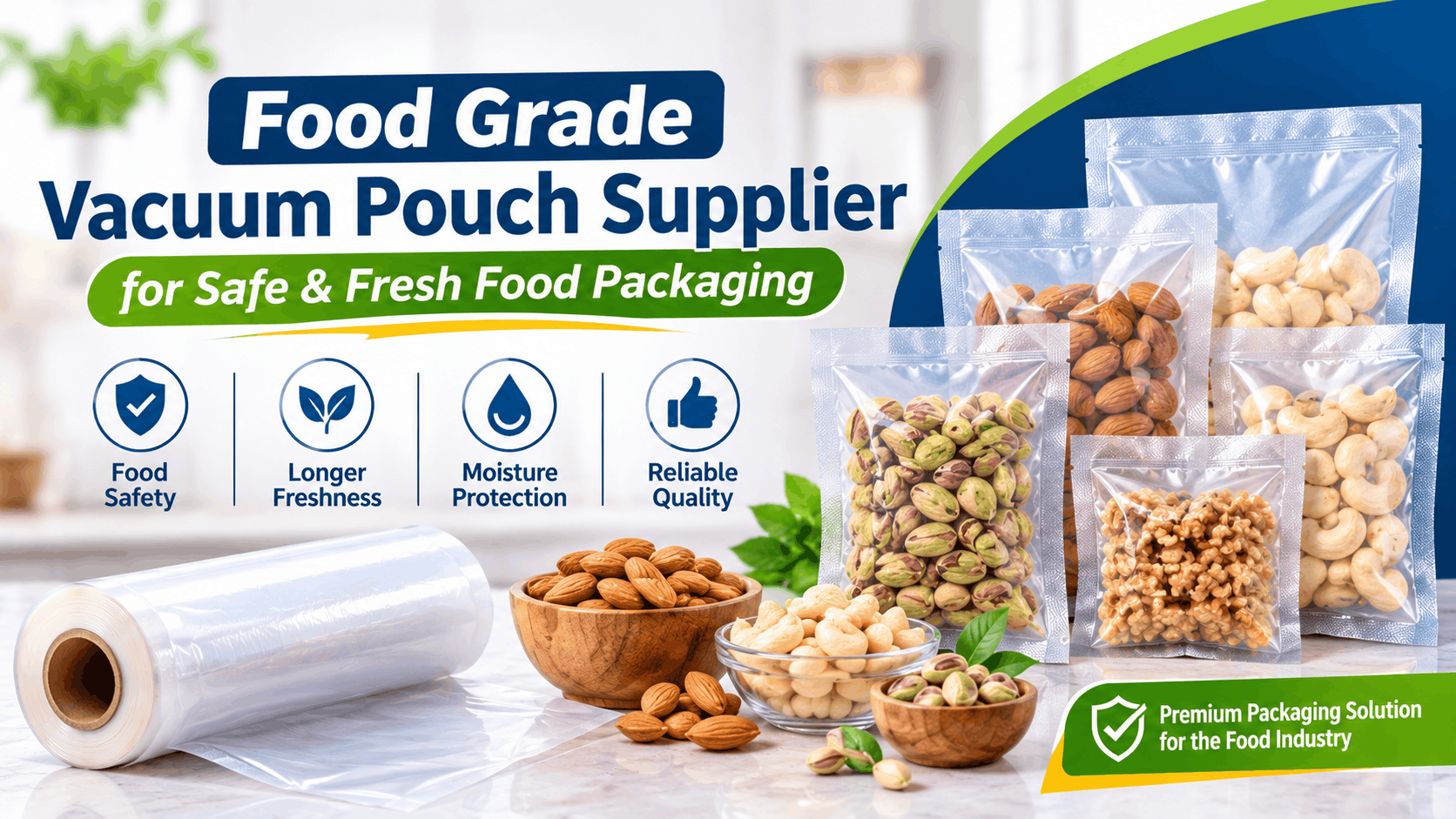
A reliable Food Grade Vacuum Pouch Supplier can help businesses source packaging materials suitable for their specific product, storage conditions, filling process and packaging equipment.
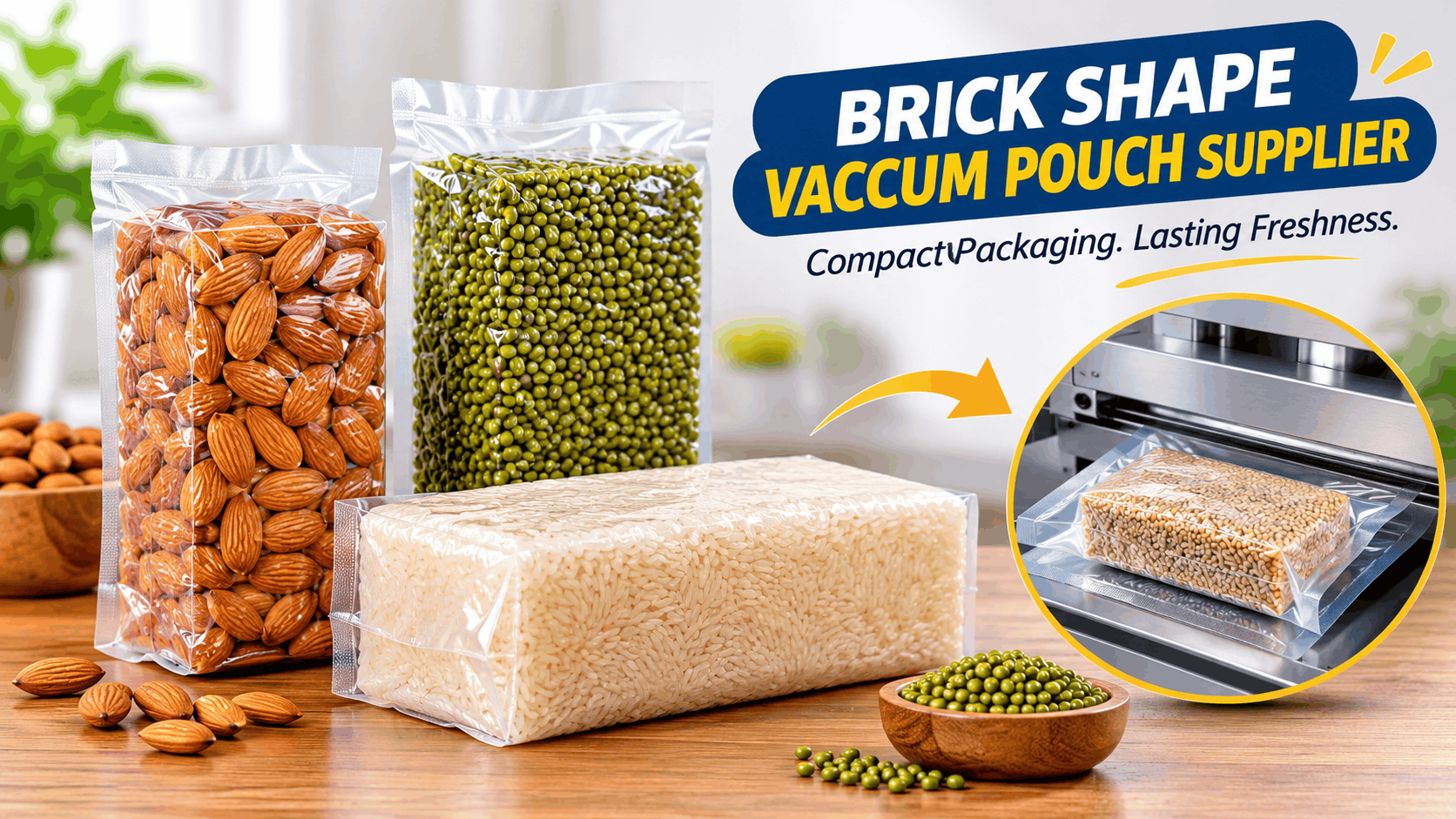
Food-grade vacuum pouches are commonly made using multilayer plastic films designed to provide appropriate strength, sealing performance and barrier properties. Depending on the specifications, they can be used for different food products, including:
- Dry fruits, almonds, cashews and walnuts
- Rice, pulses and grains
- Tea leaves and coffee
- Spices, herbs and powdered food products
- Cheese and selected dairy products
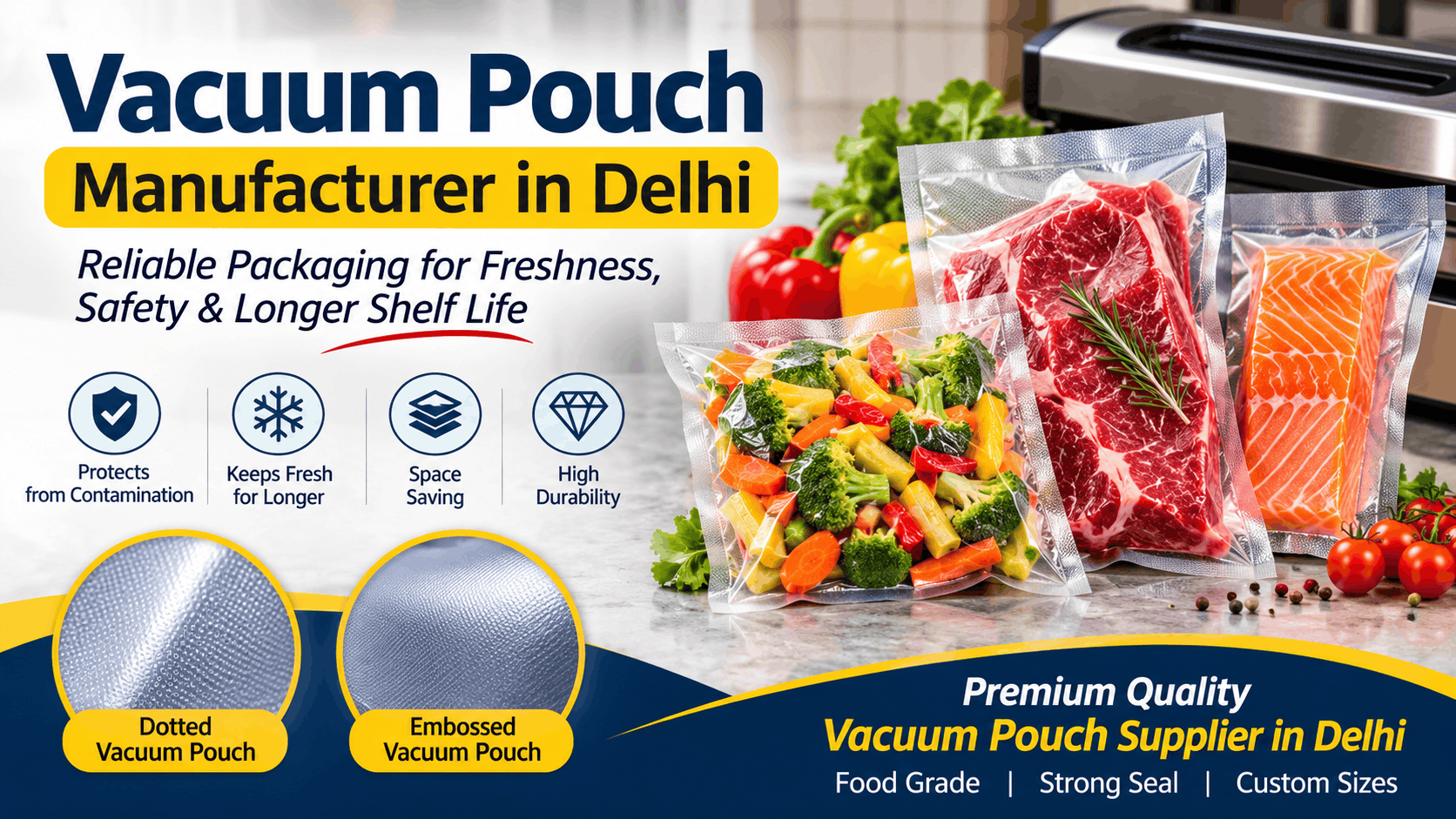
- Ready-to-cook food products
- Suitable frozen food applications
The versatility of vacuum pouches makes them a practical choice for food businesses that require flexible packaging in different sizes and specifications.
Why Are Vacuum Pouches Useful for Food Packaging?
Vacuum pouches are designed to work with vacuum sealing equipment, allowing much of the air inside the package to be removed before the pouch is sealed. This packaging approach can be particularly useful for products where reducing oxygen exposure is important.
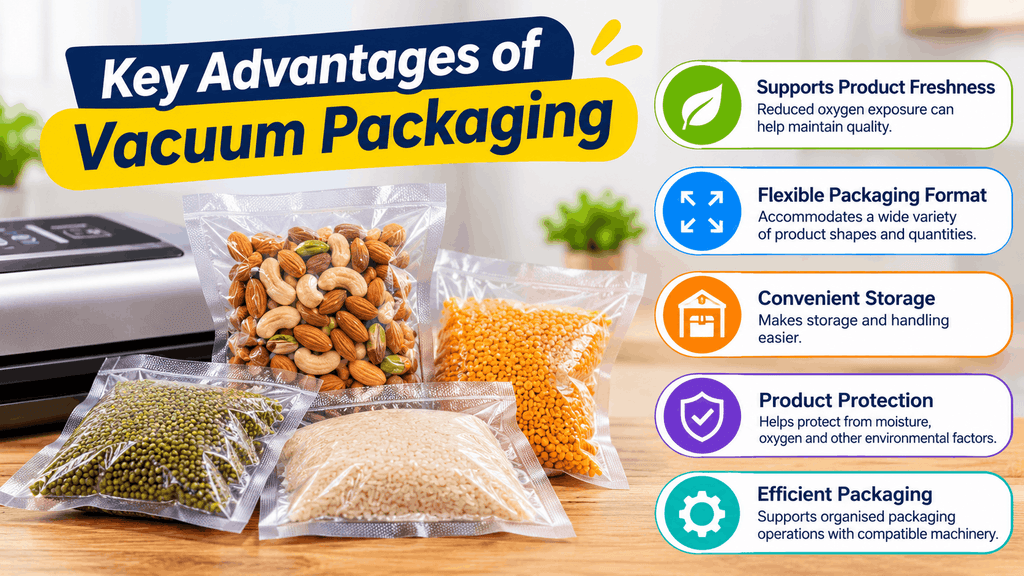
Some of the key advantages include:
- Supports product freshness: Reduced oxygen exposure can help slow certain processes that affect food quality.
- Flexible packaging format: Pouches can accommodate a wide variety of product shapes and quantities.
- Convenient storage: Flexible packaging can make storage and handling easier.
- Product protection: Suitable barrier films can help protect products from moisture, oxygen and other environmental factors.
- Efficient packaging: Vacuum sealing can support organised packaging operations when used with compatible machinery.
The packaging material must always be matched to the food product and its storage requirements. Vacuum packaging alone does not guarantee food safety or replace temperature control.
Food Packing Grade Vacuum Pouch: What Makes It Suitable?
Choosing the right Food Packing Grade Vacuum Pouch is an important consideration for food manufacturers, distributors and retailers. Different products require different packaging characteristics, so selecting a pouch based on its specifications rather than appearance alone is essential.
Food packing grade vacuum pouches are available in different dimensions, thicknesses and material constructions to suit a range of applications.
1. Suitable Food-Contact Materials
The material should be intended for the specific food-contact application. Businesses should verify relevant food-contact compliance, documentation and manufacturer specifications before use.
2. Appropriate Barrier Performance
Food products may require protection from oxygen, moisture, light or aroma transfer. The barrier properties of the pouch should be selected according to the product’s requirements.
3. Reliable Sealing Performance
Proper sealing is an important part of packaging integrity. The pouch should be compatible with the vacuum packaging machine, sealing settings and packaging process being used.
4. Different Sizes and Thicknesses
Packaging requirements vary depending on the quantity, weight and nature of the food product. Choosing appropriate pouch dimensions and thickness can help support practical packaging and handling.
5. Convenient Handling and Storage
Flexible pouches can be useful for businesses that package products in different quantities. Depending on the application, they can also support organised storage, distribution and product presentation.
Food Grade Cling Film Supplier: A Flexible Solution for Food Wrapping
Cling film is one of the most convenient materials used in food wrapping and covering applications. Its flexible and transparent structure makes it useful in food preparation areas, commercial kitchens, restaurants, supermarkets, bakeries and various food-related businesses.
A dependable Food Grade Cling Film Supplier can provide different film specifications according to wrapping requirements, intended food contact and temperature conditions.
Food-grade cling film is commonly used for covering containers, wrapping selected food products and supporting convenient food handling.
Where Is Food Grade Cling Film Commonly Used?
- Wrapping sandwiches and prepared food.
- Covering bowls, trays and food containers.
- Wrapping selected fruits and vegetables.
- Covering cheese and certain bakery products.
- Wrapping food for refrigerated storage where suitable.
- Supporting food preparation and kitchen organisation.
- Protecting selected food products during handling.
Advantages of Food Grade Cling Film
Transparency: Its clear appearance allows wrapped food products to remain visible.
Flexibility: It can be used to wrap various food shapes and cover different containers.
Convenience: Cling film is practical for daily food preparation and wrapping operations.
Presentation: Transparent wrapping can help products look neat and organised.
Versatility: It can serve a variety of wrapping and covering needs, subject to the film’s specifications.
Cling film is not interchangeable with every food packaging material. It should be selected according to the manufacturer’s instructions, food-contact suitability and intended use, including temperature limitations.
Vacuum Pouches vs. Cling Film: Understanding the Difference
Although both materials are used in food packaging, vacuum pouches and cling film are designed for different purposes.
| Packaging Feature | Vacuum Pouches | Cling Film |
|---|---|---|
| Primary purpose | Vacuum packaging and sealing | Wrapping and covering |
| Air removal | Removes much of the air before sealing | Does not normally remove air |
| Packaging format | Flexible sealed pouch | Flexible wrapping film |
| Common applications | Dry fruits, grains, spices, cheese and selected food products | Containers, prepared food, vegetables and selected food items |
| Sealing method | Heat sealing | Wrapping and surface adhesion |
| Storage application | Depends on product and pouch specifications | Depends on product and film specifications |
Understanding these differences helps businesses choose the appropriate packaging solution rather than using one material for every application.
How Packaging Can Help Food Businesses Improve Their Operations
Packaging plays a role in the everyday activities of food businesses. The right packaging material can help streamline product handling, storage, packaging and distribution.
For manufacturers and food distributors, packaging decisions may influence:
- Product handling: Packaging can make products easier to handle, organise and transport.
- Storage efficiency: Flexible packaging formats can help businesses organise products in storage areas.
- Product presentation: Neatly packaged food can support a more professional appearance.
- Packaging consistency: Standardised sizes and specifications can help maintain consistency across product batches.
- Operational convenience: Suitable packaging materials can support efficient packaging workflows.
These benefits depend on the product, packaging design, equipment and operating conditions.
What to Consider Before Choosing a Food Packaging Supplier?
Finding the right packaging supplier is an important step for businesses that require consistent packaging materials.
Before selecting a supplier, consider the following:
- Material specifications: Check the composition, thickness and barrier properties of the packaging.
- Food-contact compliance: Verify that the material is suitable for the intended food-contact application.
- Product requirements: Choose packaging according to the food type, storage conditions and handling needs.
- Available sizes: Check whether different dimensions and specifications are available.
- Packaging equipment: Confirm compatibility with your wrapping or sealing equipment.
- Supply consistency: Evaluate the supplier’s ability to provide consistent quality and fulfil your requirements.
A well-informed purchasing decision can help businesses select packaging that supports their daily operations and product requirements.
Frequently Asked Questions
1. What is a food-grade vacuum pouch used for?
Food-grade vacuum pouches are used to package a variety of food products, including dry fruits, nuts, pulses, spices, cheese and certain prepared or frozen foods, depending on the pouch specifications and application.
2. What is the difference between a vacuum pouch and a regular food pouch?
A vacuum pouch is designed to be used in a vacuum packaging process that removes much of the air before sealing. A regular food pouch may simply contain a product without removing the air.
3. Can food-grade cling film be used for all types of food?
No. Cling film should be selected according to the manufacturer’s food-contact specifications and temperature limitations. Not every film is suitable for all food products or temperature conditions.
4. Does vacuum packaging keep food fresh for longer?
Vacuum packaging can help extend the shelf life of certain food products by reducing oxygen exposure. However, shelf life depends on the food, packaging material, temperature, hygiene and other preservation methods.
5. How do I choose the right food packing grade vacuum pouch?
Consider the food type, product weight, pouch dimensions, film thickness, barrier properties, sealing equipment and intended storage conditions. The pouch should be suitable for the specific food-contact application.
Conclusion: Choosing Smarter Packaging for Food Products
Food packaging continues to play an important role in how products are prepared, stored, transported and presented. Vacuum pouches and cling films offer different advantages, making them useful for a wide range of food packaging applications.
A Food Grade Vacuum Pouch Supplier can help businesses explore suitable vacuum packaging options, while the right Food Packing Grade Vacuum Pouch can support practical packaging requirements through appropriate material construction, sealing performance and barrier properties. Similarly, a dependable Food Grade Cling Film Supplier can help businesses find suitable wrapping solutions for everyday food packaging needs.
The key is to select packaging that matches the product, its storage requirements and the intended packaging process. Thoughtful packaging choices can help food businesses improve handling, maintain product quality and create a more convenient packaging experience.